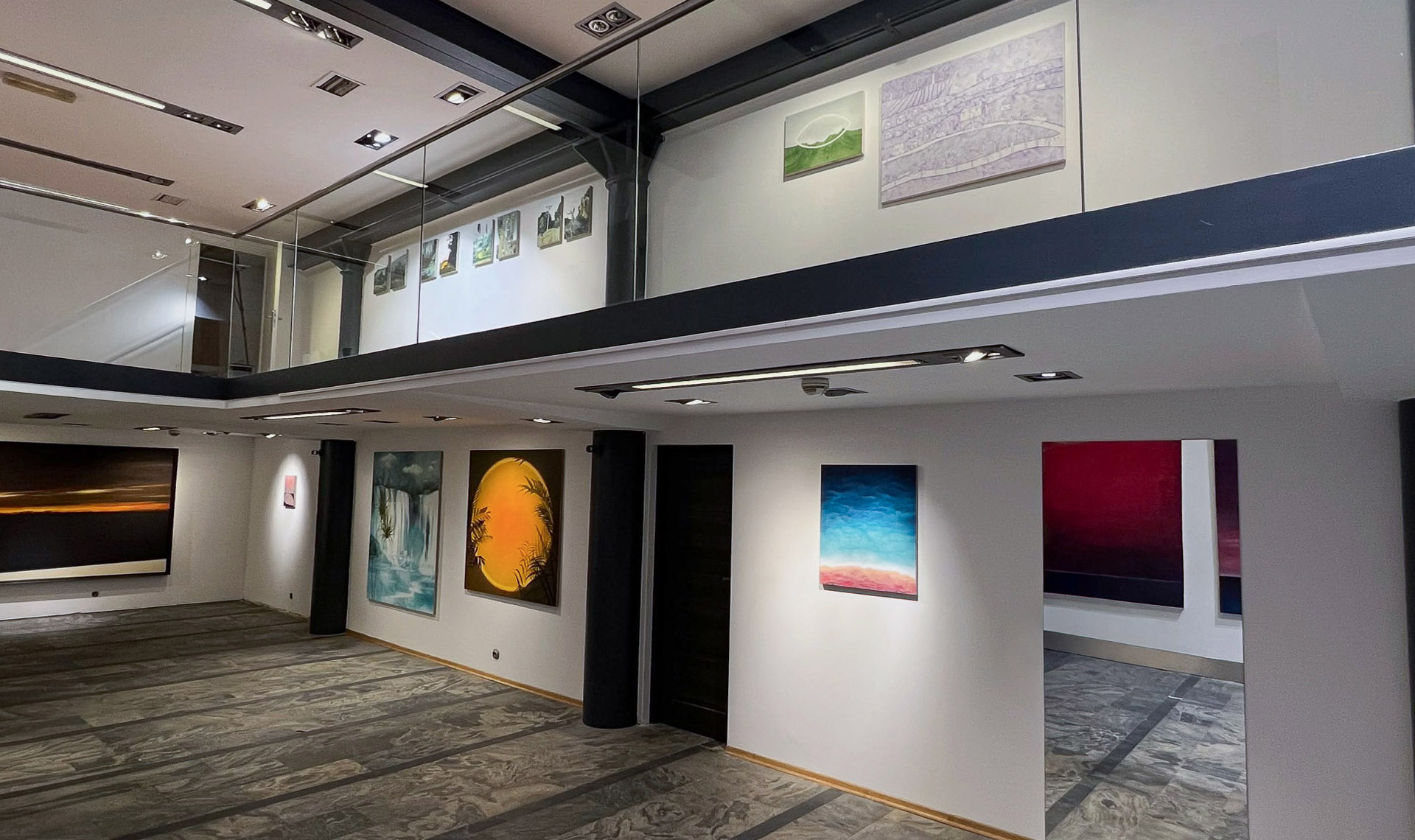
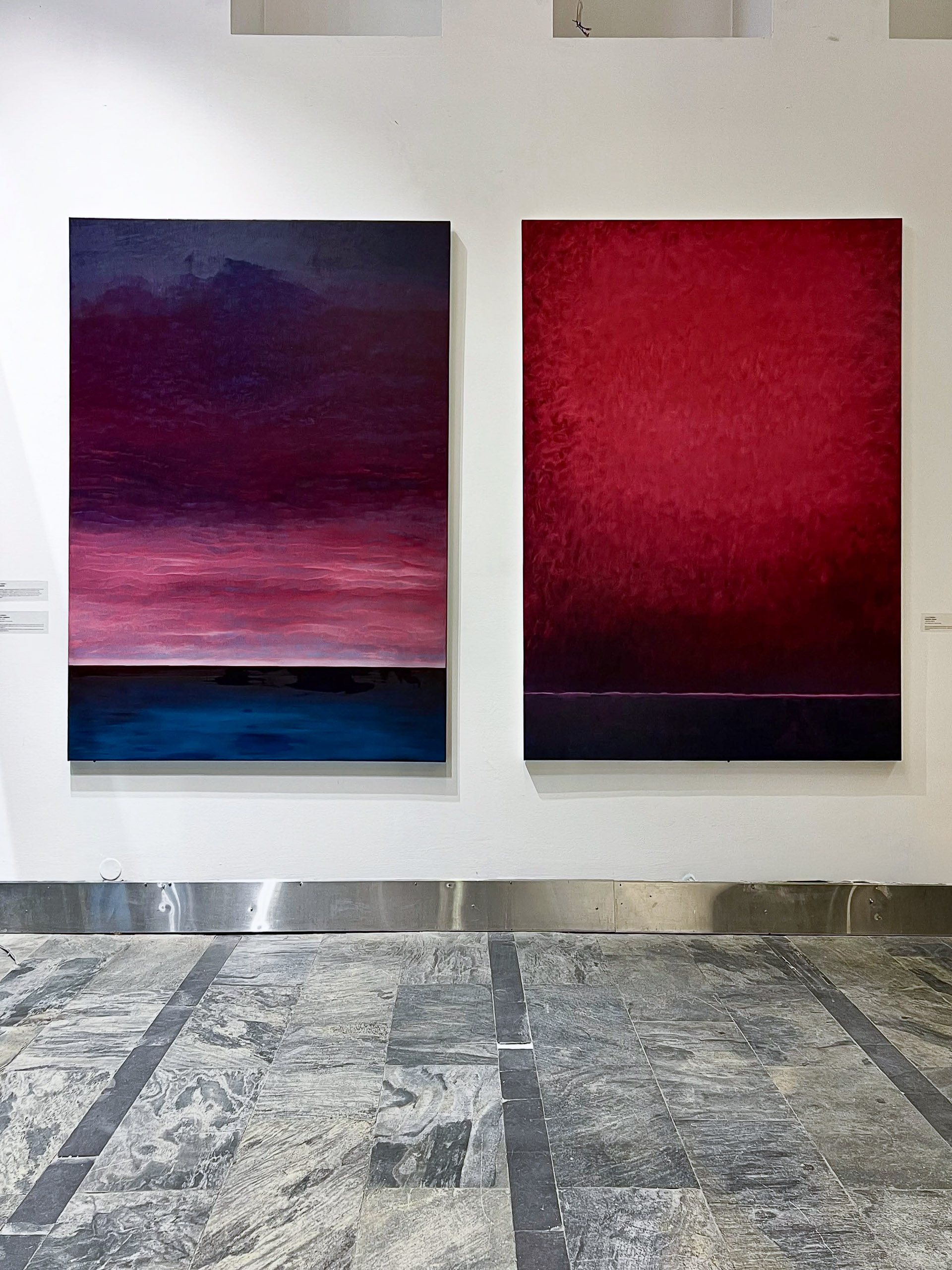
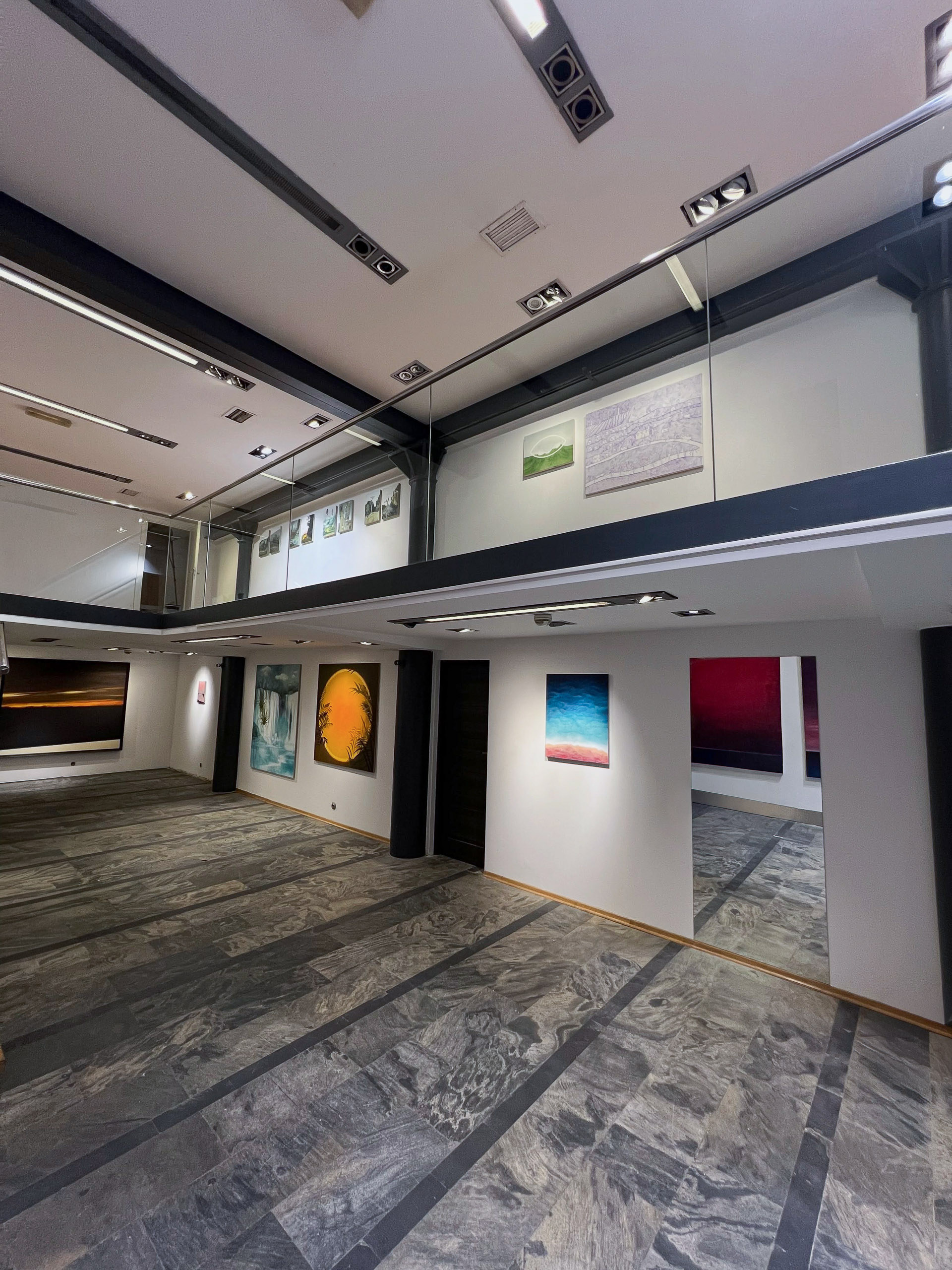
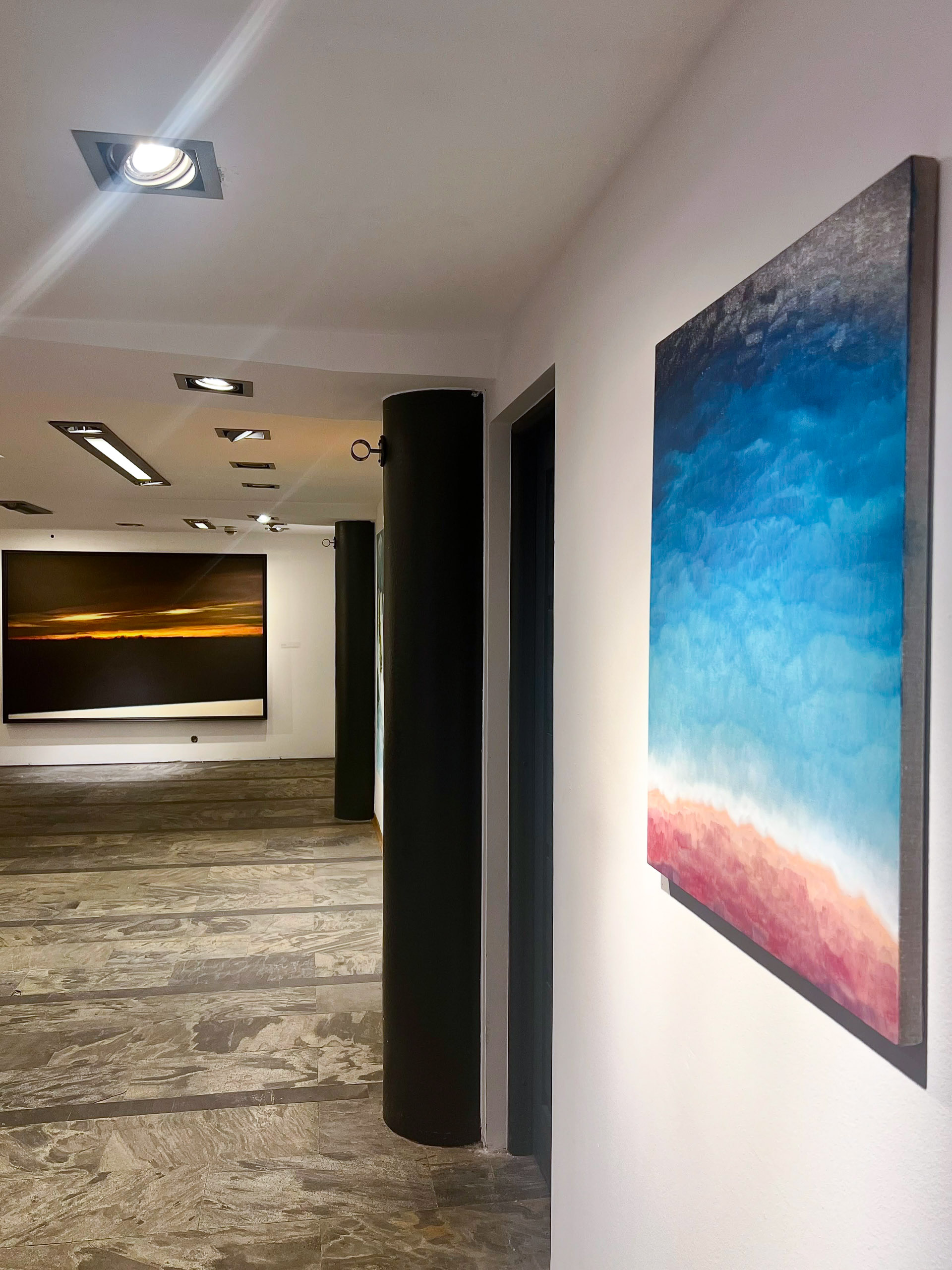
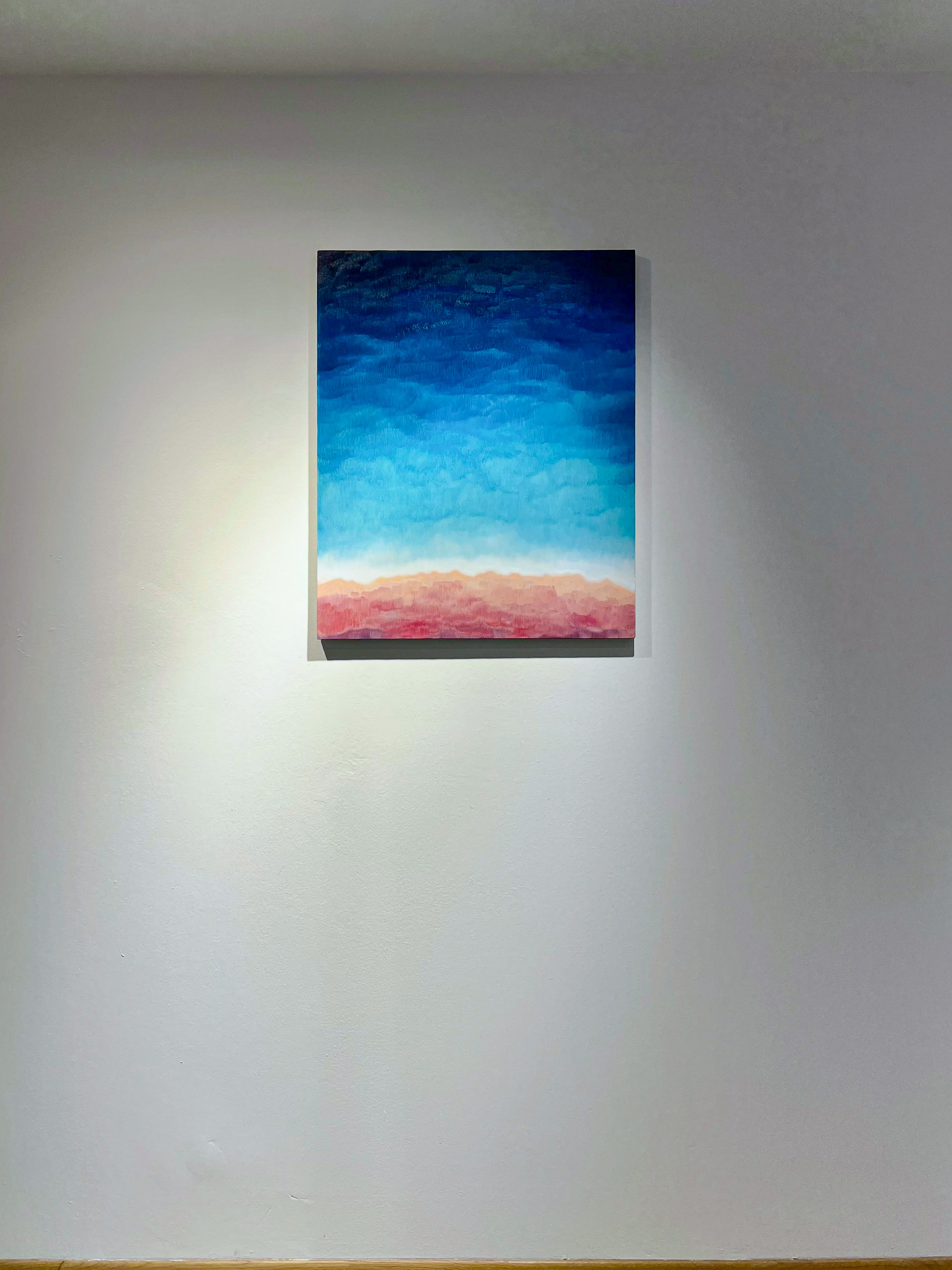
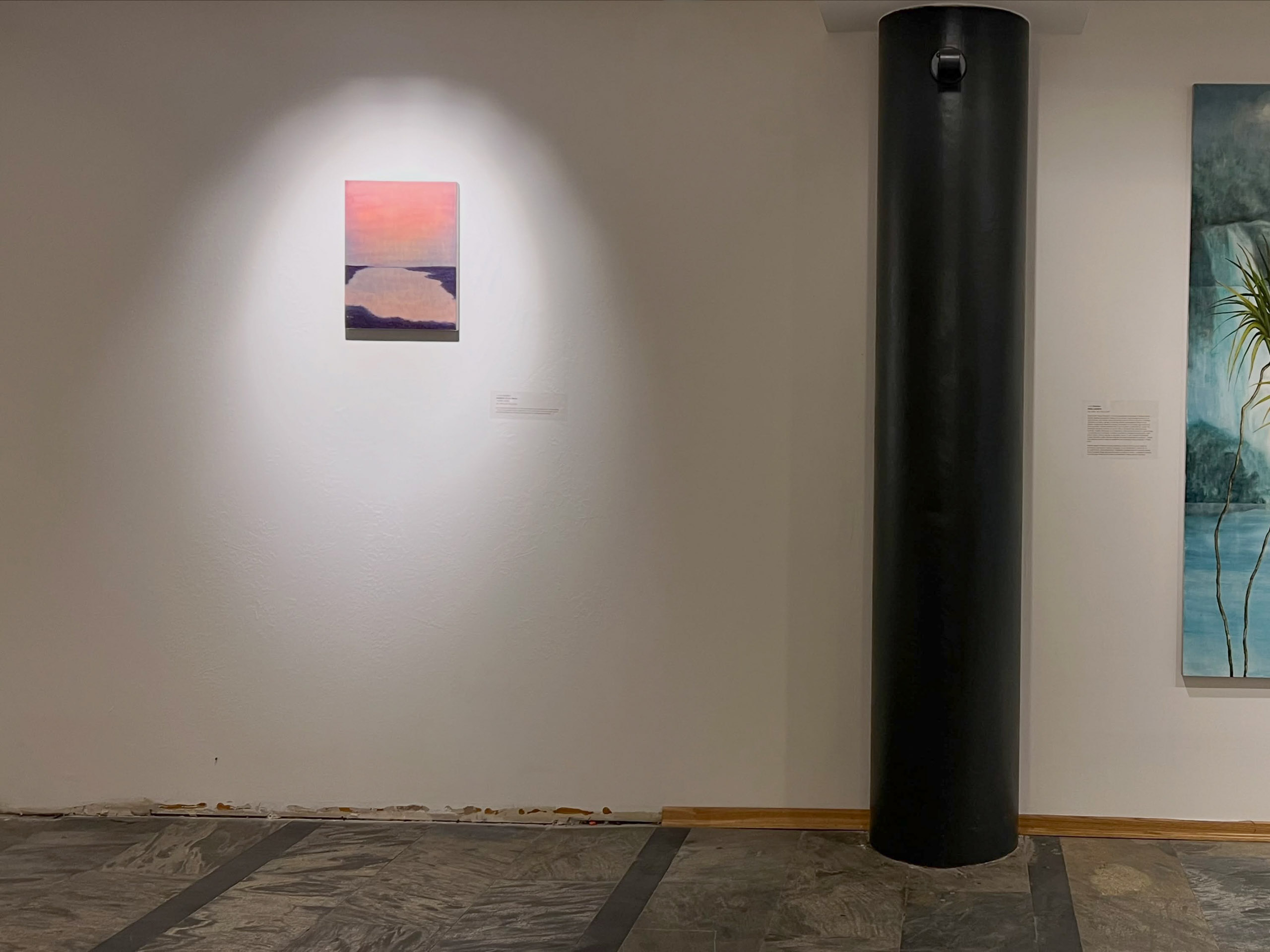
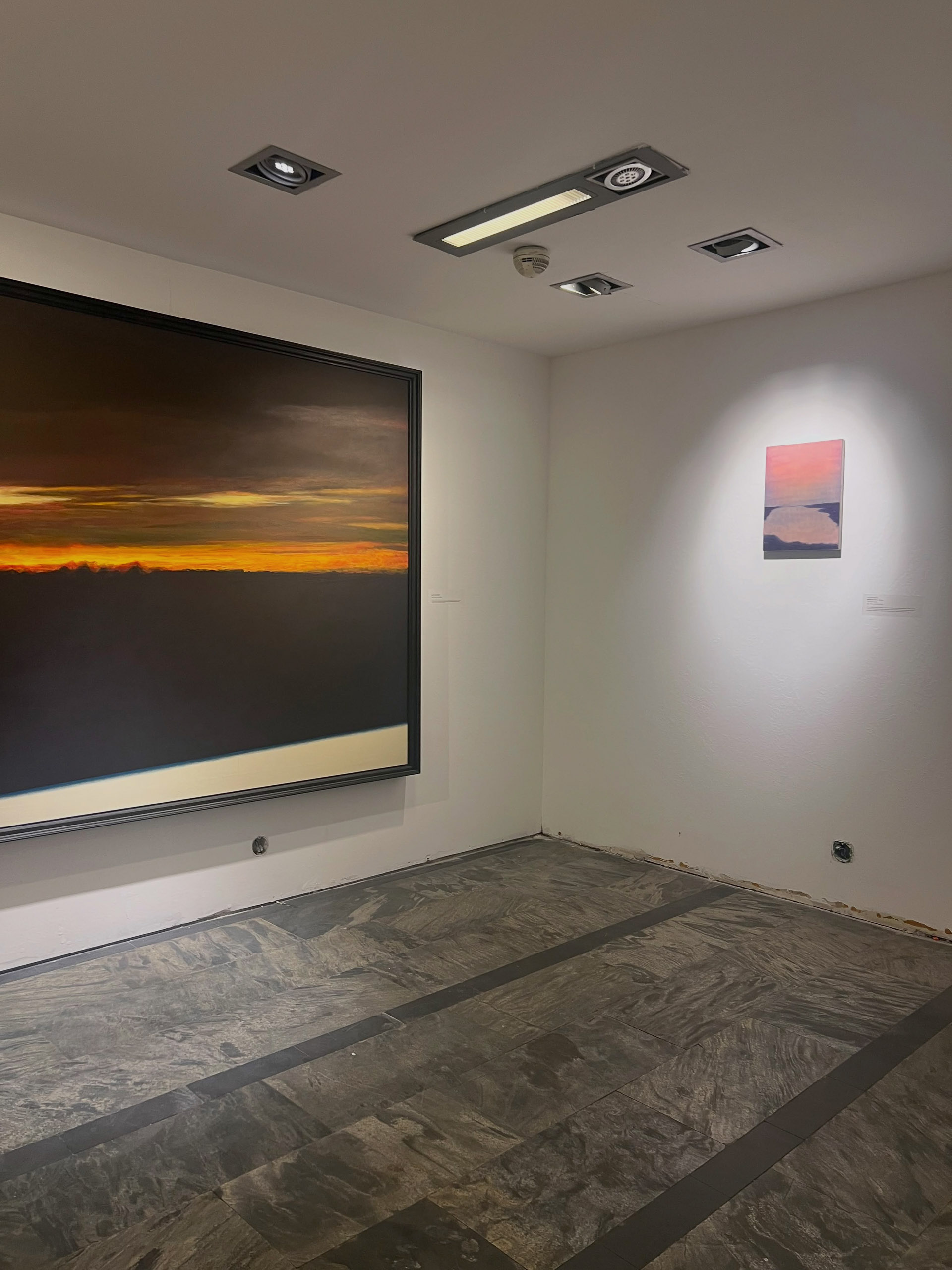
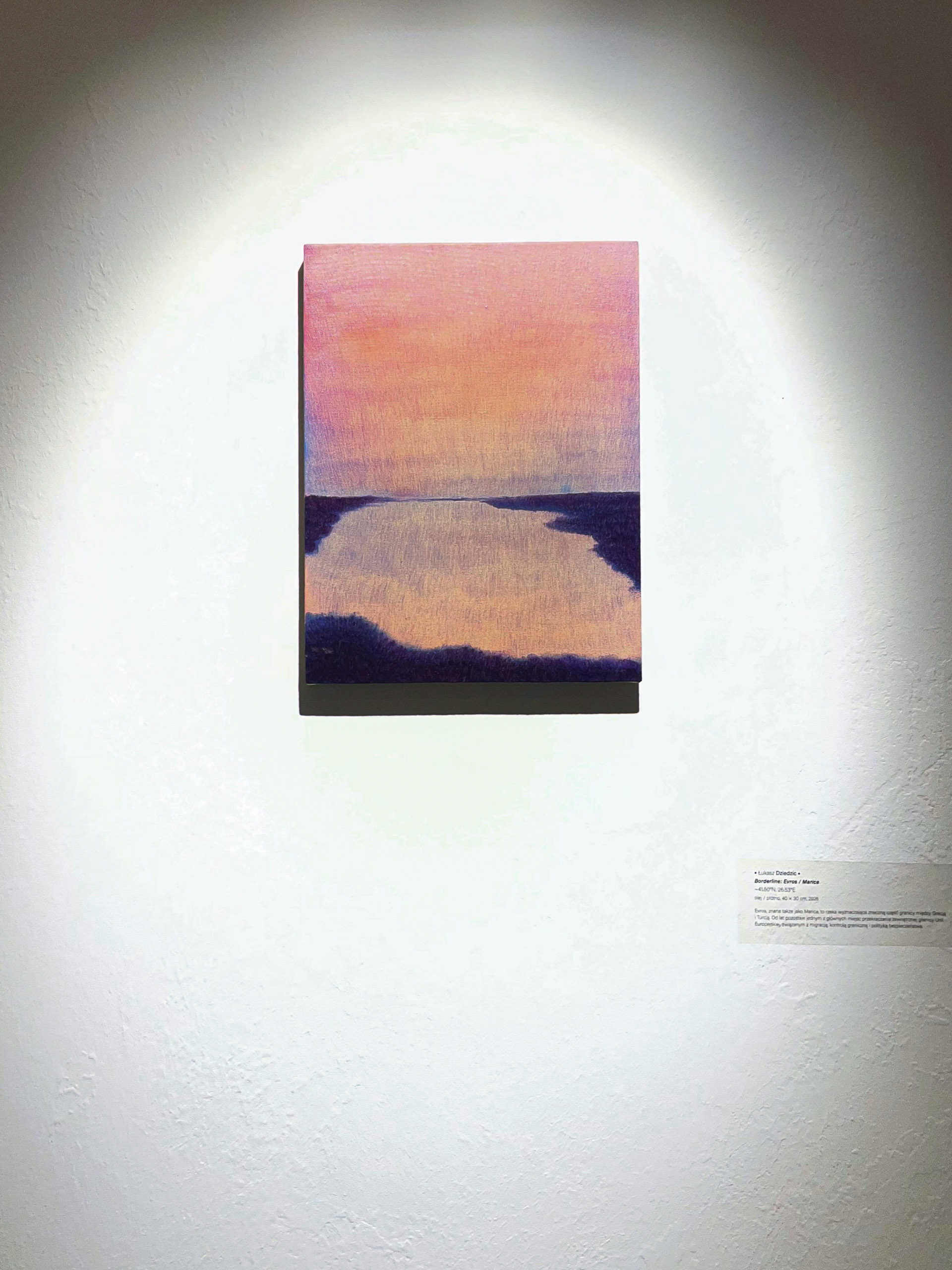
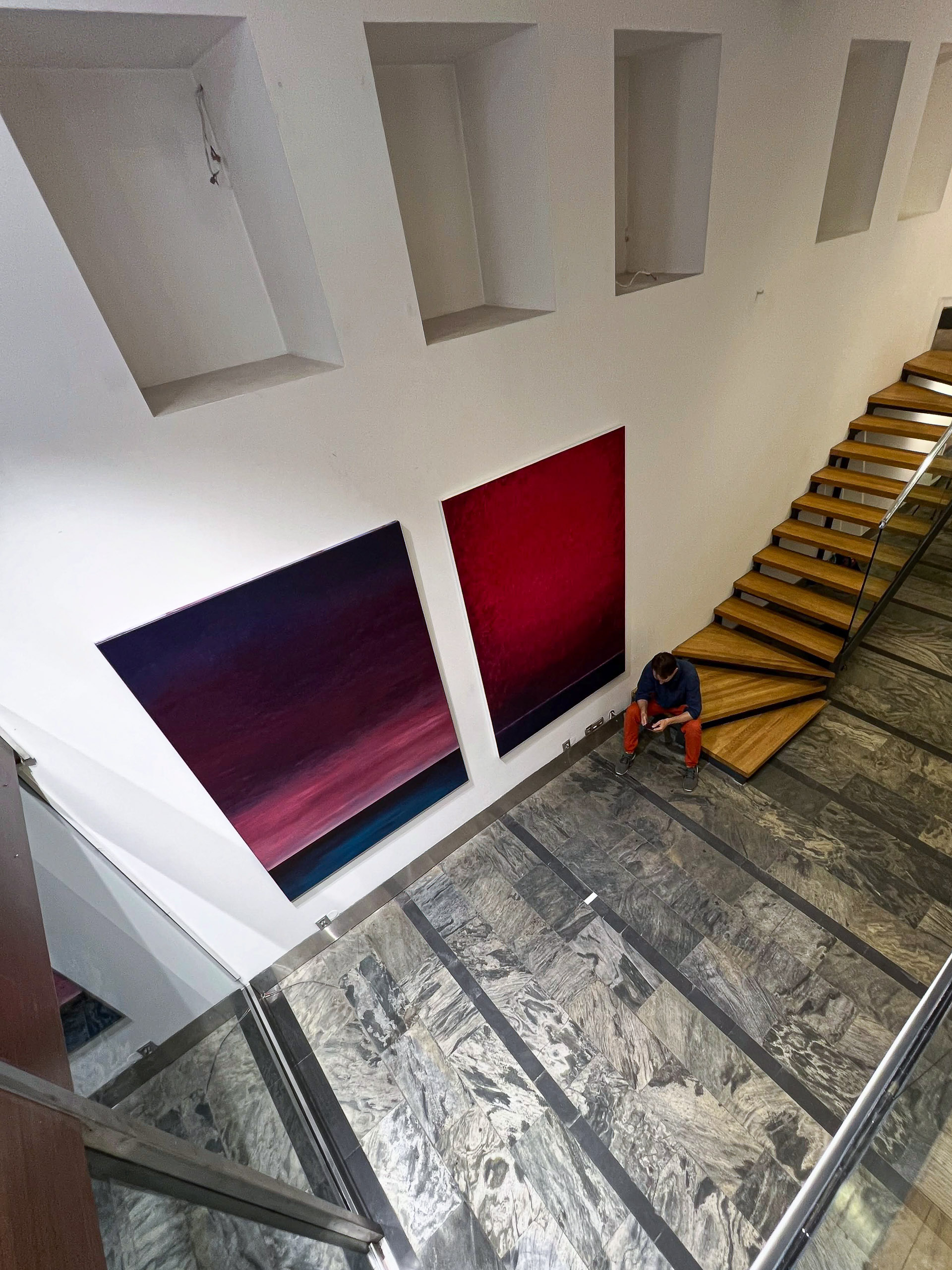
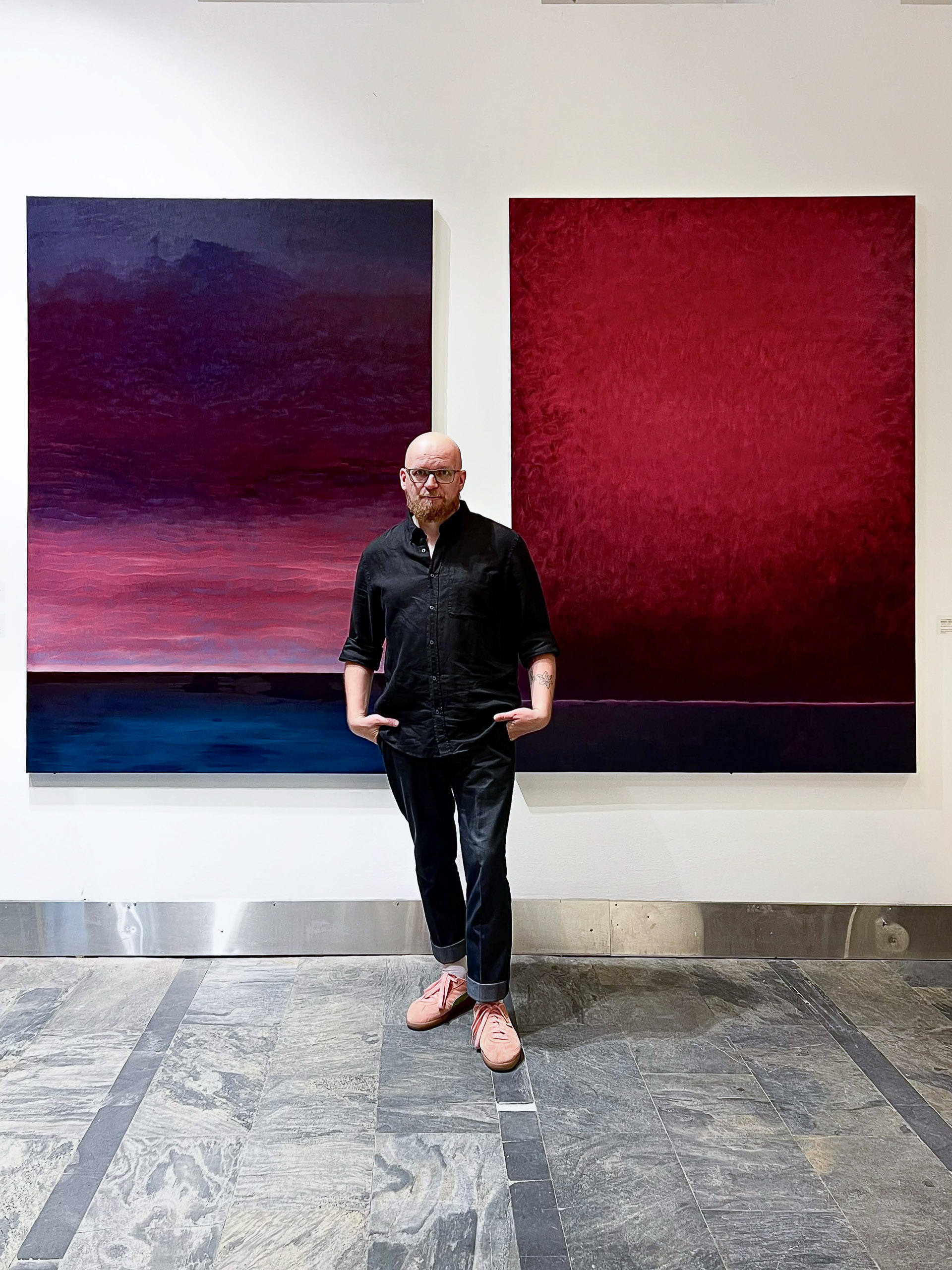
Łukasz Dziedzic, Painting, Malarstwo, audio-visual artist, musician, painter, art designer and curator. He creates videos, installations, music projects and has curated many exhibitions. Years later, he returns to the abandoned medium of painting, finding in this traditional technique the possibility of analysing irritating and uncomfortable subjects.
Wystawa jest o pejzażu i o tym, co zaczyna się dziać, kiedy spokojny widok przestaje być oczywisty. Pejzaż często kojarzy się z czymś neutralnym, dekoracyjnym i bezpiecznym, a przecież zawsze był uwikłany w relacje władzy. Jedne rzeczy wchodziły w kadr, inne zostawały poza nim. Ładny widok sprawiał, że ten podział wydawał się naturalny, choć wynikał z konkretnych stosunków pracy, własności i zysku. Pejzaż uczył patrzeć na ziemię jak na coś danego, a nie jak na coś ukształtowanego. Tutaj staje się miejscem pytań o pamięć, historię, napięcia i sposób patrzenia.
Punktem wyjścia wystawy jest obraz Zbigniewa Gostomskiego z 1991 roku. Gostomski nie namalował pejzażu. Bo pejzaż to nie widok, lecz nawyk patrzenia: zbiorowo wyuczony sposób, w jaki coś staje się obrazem. Pokazał za to pewien stan rzeczy: układ relacji, którego nie da się sprowadzić do prostego widoku. Ujawnił, że widzenie zawsze podlega jakiemuś porządkowi.
Osoby zaproszone do wystawy podejmują ten temat z dzisiejszej perspektywy. Dorastały w świecie, który obraz Gostomskiego zapowiadał: otwartym, mobilnym, połączonym. Dziś tworzą w czasie narastających kryzysów, gdy ten świat znów się zamyka. Stan rzeczy to nie tylko kategoria malarska: to też położenie, z którego się patrzy, i które kształtuje nasze doświadczenie przestrzeni. Każde z nich pokazuje, że konwencja pejzażu jest arbitralna.
Jakie znaczenie ma dzisiaj pejzaż?
EN
The exhibition is about landscape and what begins to happen when a tranquil view ceases to be self-evident. Landscape is often perceived as neutral, decorative and safe, yet it has always been implicated in relations of power. Some things were included within the frame, while others remained outside it. The beauty of the view made this division seem natural, although it resulted from specific relations of labour, ownership and profit. Landscape taught us to see land as something given rather than something shaped. Here, it becomes a site for questions about memory, history, tensions and ways of seeing.
The exhibition takes as its point of departure a 1991 painting by Zbigniew Gostomski. Gostomski did not paint a landscape. For landscape is not a view but a habit of seeing: a collectively learned way through which something becomes an image. Instead, he presented a certain state of affairs—a configuration of relations that cannot be reduced to a simple view. He revealed that vision is always subject to some form of order.
The artists invited to participate in the exhibition approach this subject from a contemporary perspective. They grew up in the world anticipated by Gostomski’s painting: open, mobile and interconnected. Today, they work at a time of mounting crises, as that world begins to close in on itself once again. A state of affairs is not merely a painterly category; it is also the position from which we look, a position that shapes our experience of space. Each of them demonstrates that the conventions of landscape are arbitrary.
What does landscape mean today?
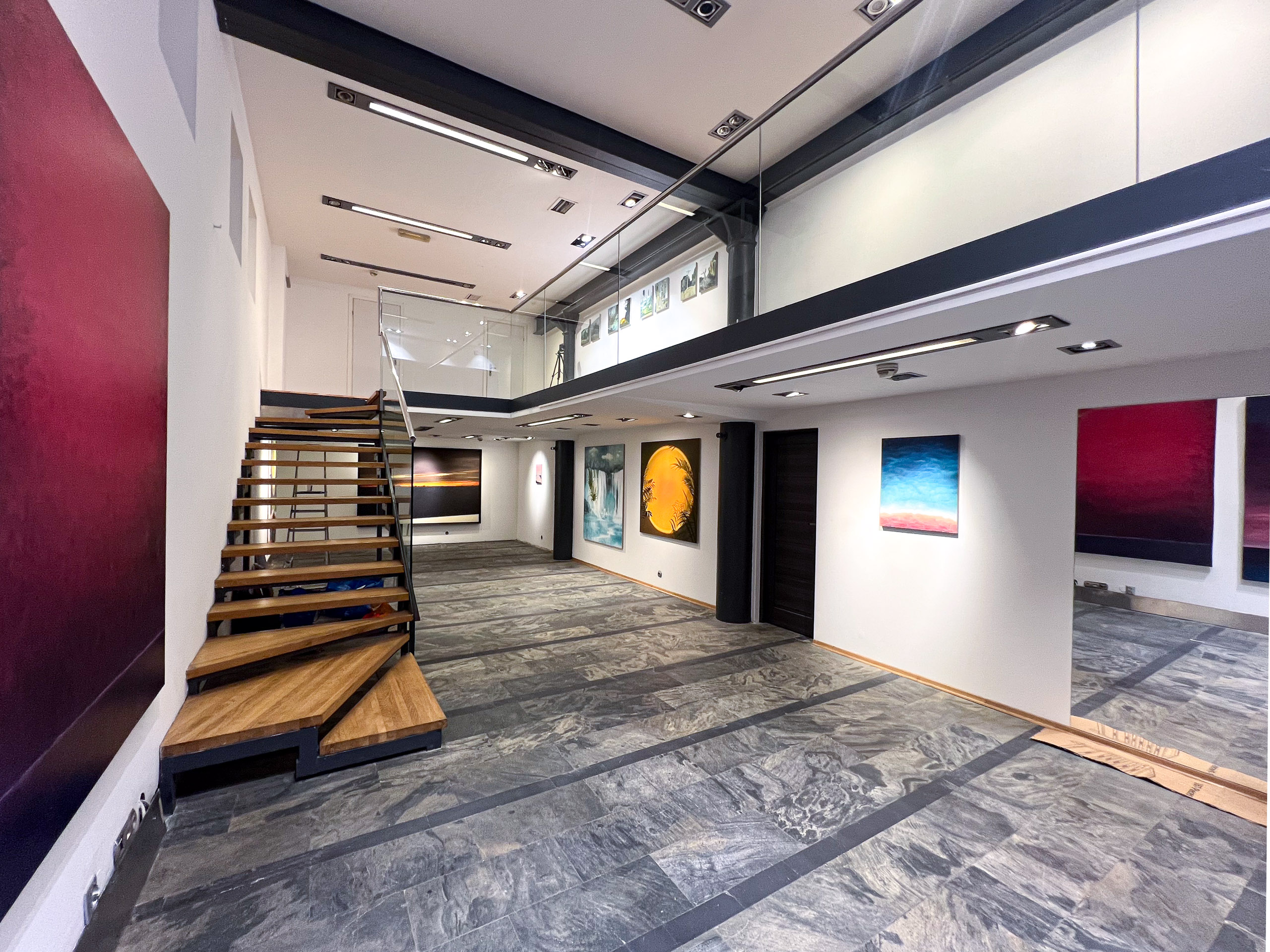
Sunrise, Still / Jeszcze wschód słońca with Przemysław Czepurko, Łukasz Dziedzic, Zbigniew Gostomski, Julia Słonecka, Tom Swoboda, Błażej Worsztynowicz, Agata Żychlińska As a part of
Impuls Katowice 2026
19.06–22.07.2026
Curator: Jacek Stapowicz Venue: Hotel Monopol, Katowice, PL